
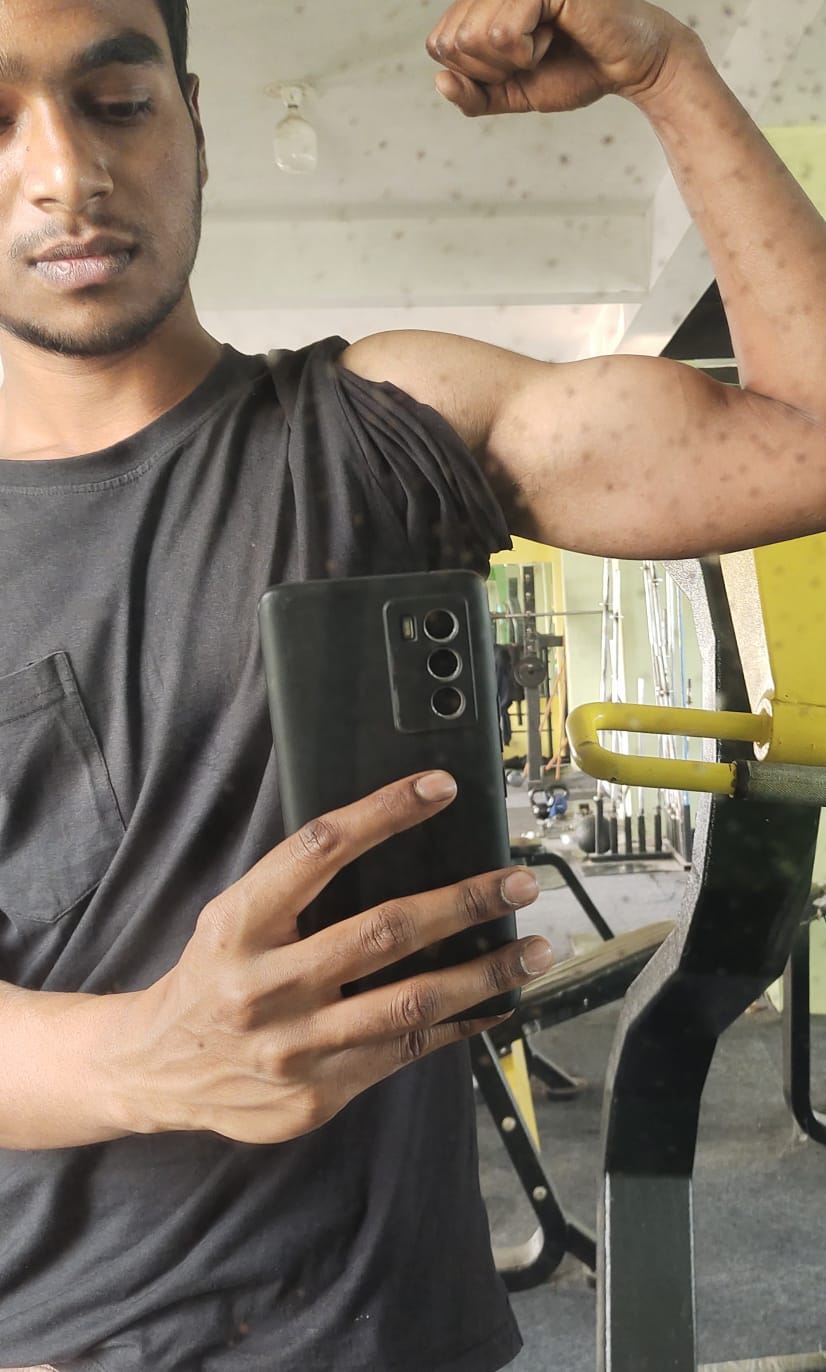
What Is Body Recomposition and Why Is It Different from Traditional Weight Loss?
Body recomposition is a fitness approach focused on reducing body fat while increasing lean muscle mass at the same time. Unlike traditional weight loss programs that only emphasize lowering the number on the scale, body recomposition aims to improve overall body composition. This means your weight may remain relatively stable while your physique becomes leaner, stronger, and more defined.
The process combines structured resistance training, proper nutrition, sufficient protein intake, and recovery. Instead of chasing rapid results, body recomposition promotes sustainable changes that improve both appearance and performance.

Nutrition Strategies That Support Fat Loss and Muscle Growth
Nutrition plays a critical role in body recomposition. Consuming adequate protein helps preserve and build muscle tissue while maintaining a moderate calorie deficit supports fat loss. Whole foods such as lean meats, vegetables, fruits, whole grains, and healthy fats provide the nutrients needed for recovery and performance.
Hydration and meal consistency are equally important. Rather than following restrictive diets, focus on balanced eating habits that can be maintained long term.

Common Mistakes That Slow Body Recomposition Progress
Many people expect immediate changes and frequently switch workout programs or diets. Inconsistent training, insufficient protein intake, poor sleep quality, and unrealistic expectations often limit results.
Successful body recomposition requires patience, progressive overload during workouts, and consistent nutritional habits.
Tracking strength improvements and body measurements can provide a clearer picture of progress than relying solely on body weight.
